General
What Really Happens When PVC Foam Board Meets Water
By BestWood
October 09, 2026
77 Views
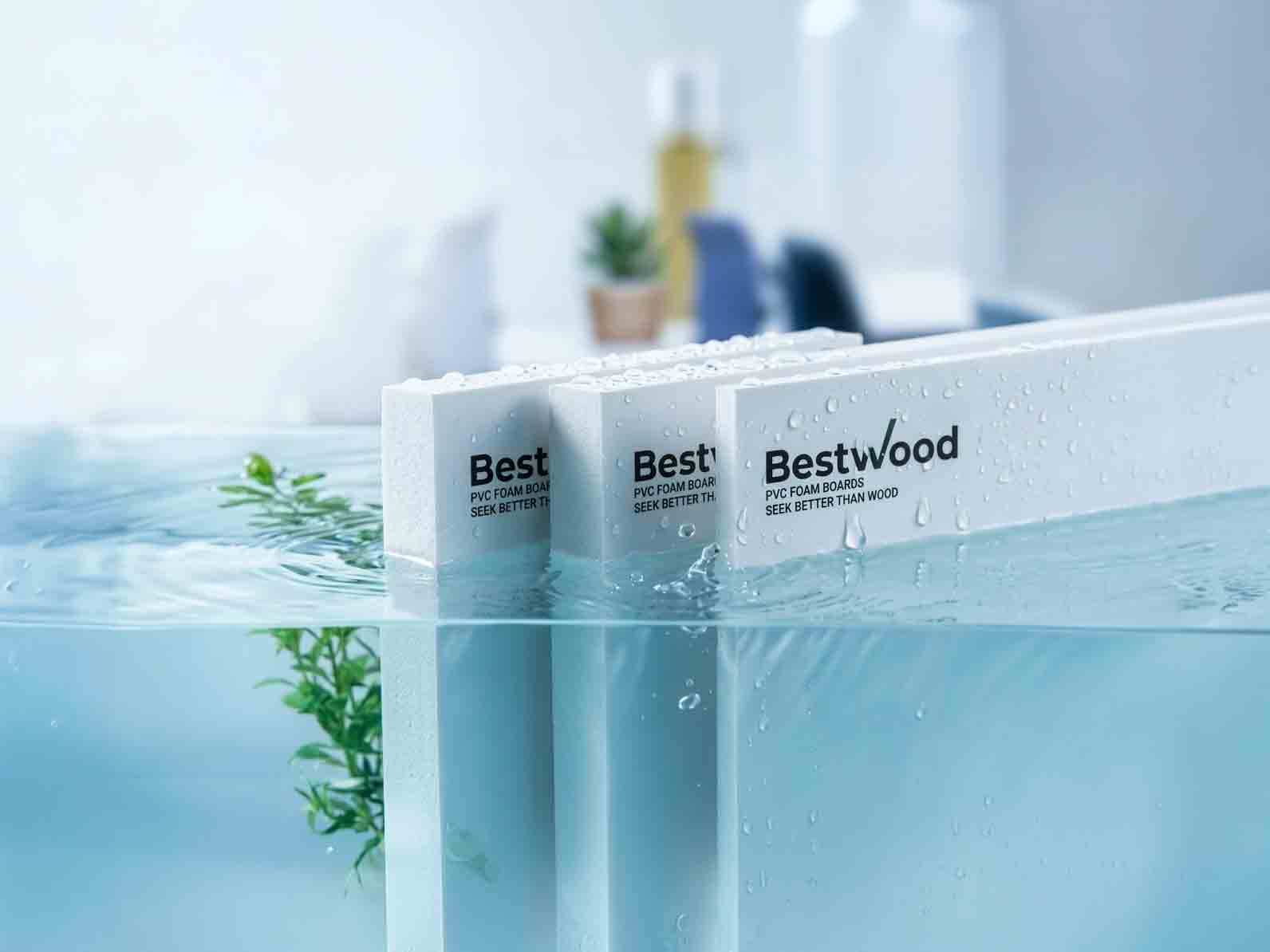
When PVC foam board meets water, nothing harmful happens - it stays completely stable. Because it is made from polyvinyl chloride with a closed-cell foam core, water cannot soak into it the way it does with wood-based boards. It does not swell, rot, warp, or weaken, even under constant moisture. This is why PVC foam board is considered waterproof and outlasts plywood and MDF in kitchens, bathrooms, and humid, coastal homes. Bestwood's high-density PVC foam boards have water absorption of around 1% or less.
"Waterproof is one of the most used - and most misunderstood - words in the board industry. Plenty of materials are called water-resistant, but very few genuinely survive constant moisture. So the real question people ask about PVC foam board is simple: what actually happens when it gets wet?
This guide answers that directly. We'll explain what happens when PVC foam board meets water, why it behaves so differently from plywood and MDF, and where that waterproof quality matters most in a home.
First, What Waterproof Really Means
There's an important difference between two terms:
- Water-resistant - slows water absorption for a time, but eventually absorbs, swells, or degrades
- Waterproof - does not absorb water into its structure, so it stays stable even with long exposure
Most wood-based boards are, at best, water-resistant. PVC foam board is genuinely waterproof - and the reason comes down to what it's made of.
Why Water Can't Get Into PVC Foam Board: The Closed-Cell Core
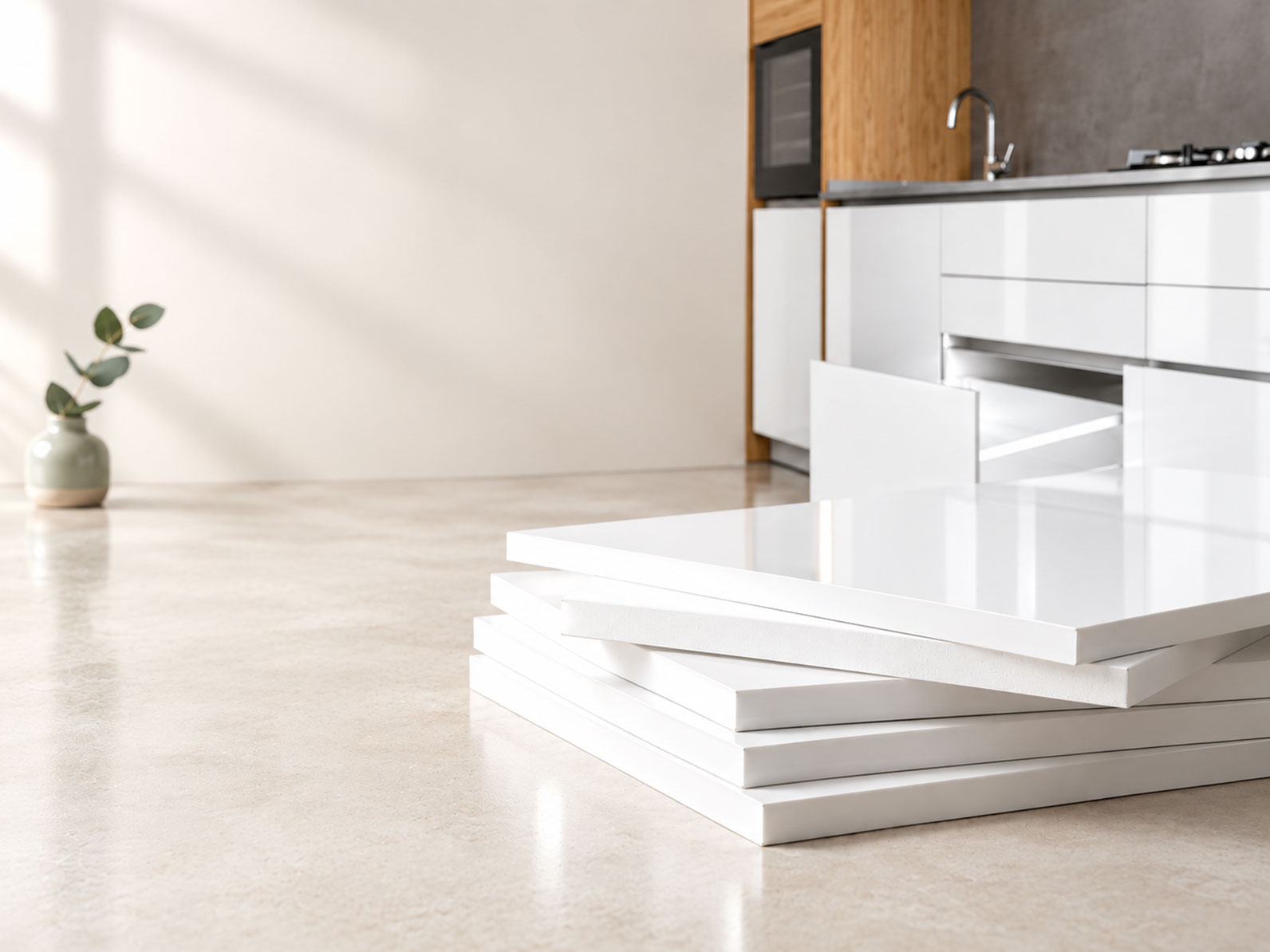
PVC foam board is made from polyvinyl chloride (PVC) formed into a closed-cell foam structure. "Closed-cell" means the tiny air pockets inside the board are sealed off from each other, so there are no open channels for water to travel through.
Compare that to plywood or MDF, which are made of wood fibres and layers held together with glue. Wood naturally absorbs water, and once moisture reaches the core, the board swells and loses strength permanently.
PVC foam board has no wood fibre to soak up water and no open pores for it to seep into. Water simply sits on the surface and runs off. This is a property of the material itself - not a coating that can wear away.
What Actually Happens When PVC Foam Board Meets Water
Here's what you'll see in real conditions:
- Submerged in water — it does not swell, dissolve or fall apart. It stays dimensionally stable.
- Constant humidity or steam — no warping, no softening, no musty smell.
- Splashes and spills — wipe away; nothing soaks in.
- Long-term damp (e.g. against an outer wall) - no rot, no fungal growth, no delamination.
In short: water does not change the board. That's the practical meaning of waterproof.
PVC Foam Board vs Plywood vs MDF in Water
|
In contact with water |
PVC Foam Board |
Plywood |
MDF |
|
Absorbs water? |
No (≤1%) |
Yes |
Yes, heavily |
|
Swells? |
No |
Yes |
Yes, badly |
|
Warps/bends? |
No |
Often |
Often |
|
Rots or grows mould? |
No |
Can |
Can |
|
Recovers after drying? |
N/A (unaffected) |
No |
No |
|
Suitable for wet areas? |
Yes |
Limited |
No |
The difference is clear: PVC foam board is the only one of the three that genuinely withstands water long-term.
Is It 100% Waterproof or Just Highly Resistant?
In honest technical terms, quality PVC foam board has a water absorption of around 1% or less - effectively waterproof for all practical home and commercial uses. It won't absorb water into its structure, swell, or degrade. For a homeowner, carpenter, or architect, that means you can use it confidently in the wettest areas of a building without worrying about moisture damage.
Where This Waterproof Quality Matters Most
Because it genuinely resists water, PVC foam board is ideal for:
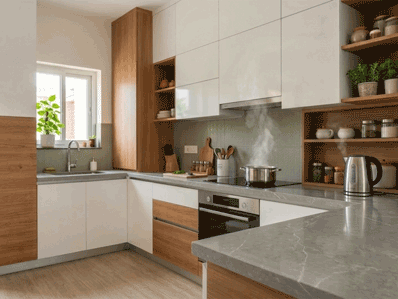
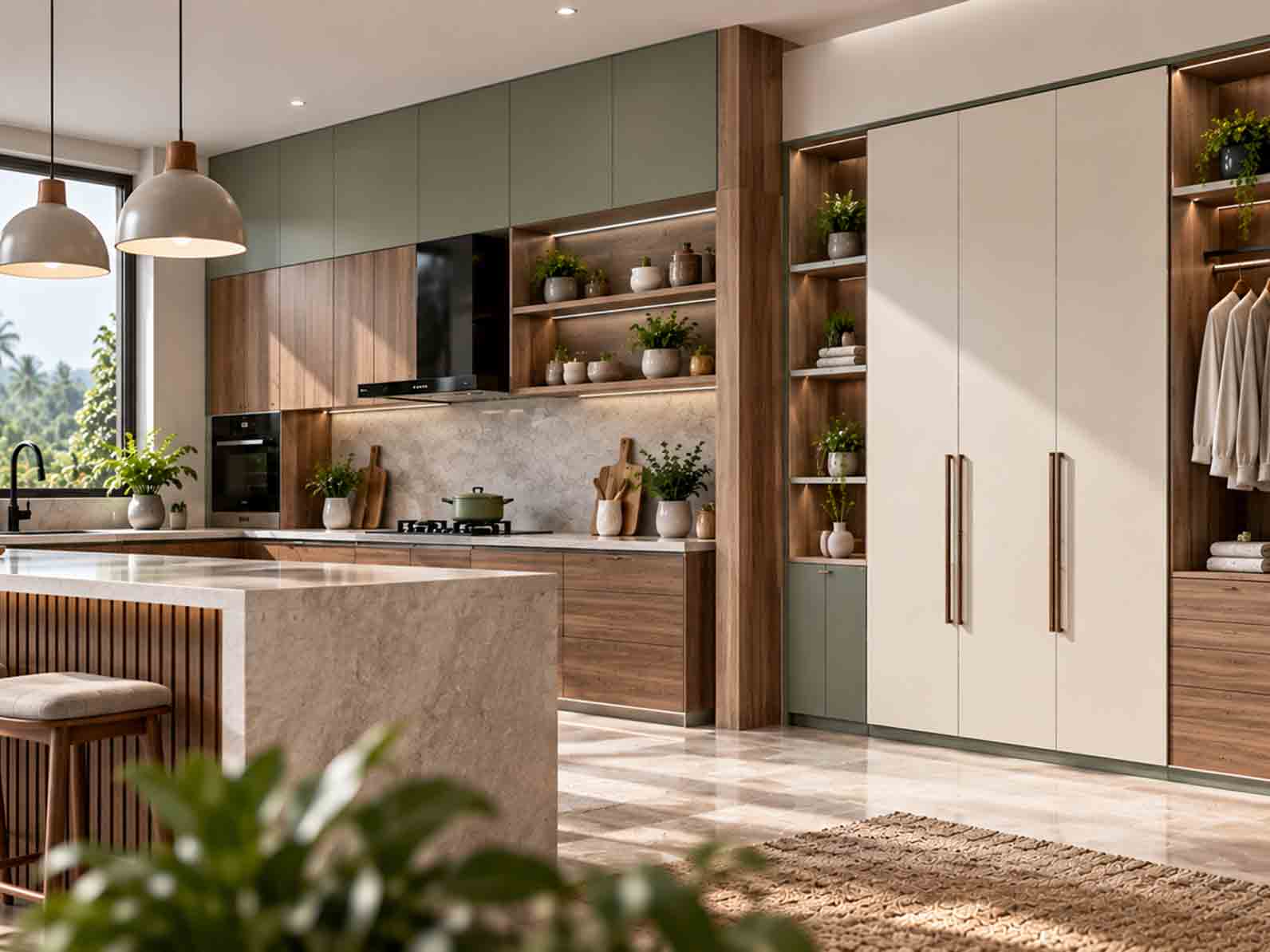
- Kitchens - cabinet carcasses, shutters and under-sink units exposed to steam and spills
- Bathrooms - vanities and storage in constant moisture
- Coastal and humid homes - where salt air and humidity destroy wood boards
- Utility and wash areas - anywhere water is a daily presence
- Exterior-facing walls - where monsoon damp seeps through
Conclusion
So what really happens when PVC foam board meets water? Nothing that harms it. Thanks to its closed-cell PVC structure, water can't soak in, so it won't swell, rot, or warp the way plywood and MDF do. With water absorption of around 1% or less, it's the dependable choice for kitchens, bathrooms, coastal homes, and any space where moisture is a constant.
Bestwood manufactures high-density, waterproof PVC foam boards in Kerala, engineered for India's humid climate. Explore the range or download the catalogue to choose the right board for your project.
Latest Blogs